


For UK finance and IT operations seeking to enhance efficiency and compliance, a seamless ServiceNow to Jira integration unlocks transformative potential. By connecting ServiceNow—the cornerstone of IT service management—with Jira, the driving force behind software development and project tracking, organisations can eliminate costly silos, automate critical workflows, and gain real-time visibility essential for precise budgeting and stringent SLA adherence.
Challenges of Fragmented Systems in UK Finance and IT
Within mid-market and enterprise UK organisations, operating ServiceNow and Jira in isolation creates significant operational friction. This disconnect leads to inconsistent data, manual duplication of efforts, and delayed incident responses. For finance teams, this fragmentation obscures budget oversight, while IT departments struggle to maintain service quality and meet regulatory standards, directly impacting organisational agility and resilience.
Why Finance and IT Leaders Prioritise Integration
For CFOs, FP&A professionals, and IT directors, the disconnection between ServiceNow and Jira translates into tangible financial and operational risks:
-
Elevated operational costs: Manual handoffs increase labour expenses and error rates.
-
Slower resolution times: Prolonged cycles threaten service level agreements (SLAs) and governance.
-
Impaired financial visibility: Disjointed data hinders accurate forecasting and optimal resource allocation.
Implementing a robust, API-driven ServiceNow to Jira integration synchronises data and processes, fostering automated workflows, enhanced cost control, and stronger compliance with UK regulations like GDPR.
Critical Selection Criteria for UK Organisations
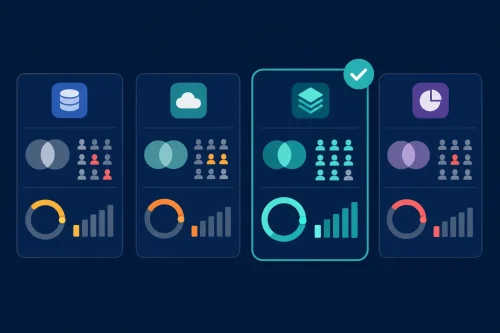
When evaluating an integration solution, decision-makers should assess:
-
Compatibility & Flexibility: Supports latest cloud/server editions, custom field mapping, and scales with ERP/BI tools.
-
Security & Compliance: Adheres to GDPR, employs OAuth 2.0/SAML, and encrypts data end-to-end.
-
Reliability & Support: Offers high-availability SLAs and accessible, timezone-aligned support.
-
Ease of Use & Maintenance: Features low-code configuration, minimal disruption deployment, and comprehensive training.
-
Financial Clarity & ROI: Provides transparent pricing and tools to track efficiency gains and cost savings.
Quantifying the Benefits: Expected ROI
A well-executed integration delivers measurable outcomes:
| Benefit | Typical Impact |
|---|---|
| Automated ticket processing | 15–25% reduction in manual IT support effort |
| Faster incident resolution | 20–30% decrease in Mean Time to Resolution (MTTR) |
| Improved budget accuracy | 10–15% enhancement in forecasting precision |
| Reduced compliance risk | Mitigation of potential regulatory fines |
Overall, organisations can anticipate an ROI between 150% and 300% within the first 12-18 months.
Navigating the UK Vendor Landscape
Leading integration tools like Exalate (bi-directional sync), ZigiOps (no-code workflows), and OpsHub (enterprise-scale) offer varied strengths. When assessing vendors:
-
Request UK-specific case studies and client references.
-
Verify adherence to security standards (e.g., ISO 27001).
-
Conduct a proof-of-concept or pilot programme.
-
Scrutinise SLAs for uptime and support responsiveness.
A Practical Implementation Roadmap
-
Define Objectives: Align on specific pain points and success metrics.
-
Map Processes: Document existing ServiceNow and Jira workflows.
-
Select Your Tool: Choose a vendor based on the criteria above.
-
Ensure Compliance: Conduct a Data Protection Impact Assessment (DPIA).
-
Pilot & Refine: Launch with a controlled group before organisation-wide rollout.
-
Train Teams: Educate both finance and IT staff on new workflows.
-
Measure & Optimise: Continuously track KPIs and refine the integration.
Conclusion
For UK businesses, bridging the gap between ServiceNow and Jira is not merely a technical upgrade—it’s a strategic imperative for financial control, operational excellence, and regulatory compliance. By choosing the right integration path, organisations can transform disjointed systems into a cohesive, automated, and insight-driven engine for growth.
References
-
Information Commissioner's Office (ICO). Guide to the General Data Protection Regulation (GDPR). https://ico.org.uk/for-organisations/guide-to-data-protection/guide-to-the-general-data-protection-regulation-gdpr/
-
International Organization for Standardization (ISO). *ISO/IEC 27001 Information Security Management*. https://www.iso.org/isoiec-27001-information-security.html