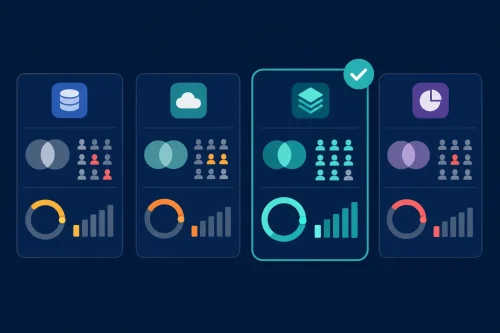



The Financial Challenge of AI Implementation in Healthcare
UK healthcare providers face an intensifying pressure cooker: improve patient outcomes, reduce waiting lists, and meet regulatory standards—all while controlling costs. For finance directors and IT leaders across the NHS and private healthcare sector, ai implementation in healthcare promises transformative gains. Yet without a clear understanding of financial impact, risk, and technology fit, well-intentioned AI investments can stall, overshoot budgets, or fail to deliver.
This guide provides a practical framework for evaluating, procuring, and implementing AI solutions that align with both clinical goals and financial discipline.
Key Buying Criteria for AI Implementation in Healthcare
Selecting the right AI solution requires balancing technical capability, financial viability, and UK-specific regulatory compliance. Finance and IT leaders should prioritise:
1. Clear Use Case Alignment
Focus on AI applications with proven benefits in UK healthcare settings:
-
Predictive patient risk modelling to target interventions and reduce admissions
-
Automated image diagnostics (e.g., radiology, pathology) to accelerate reporting
-
Operational workflow optimisation for theatre scheduling, bed management, and discharge planning
Each use case must have measurable KPIs tied to both clinical outcomes and financial returns—such as reduced length of stay, fewer readmissions, or increased procedure throughput.
2. Demonstrable ROI Ranges
While every organisation differs, conservative ROI estimates for AI projects in healthcare typically range between 15% and 30% over 2–3 years. Key cost components include:
-
Software licensing and implementation
-
Data preparation and integration with existing systems
-
Staff training and change management
-
Ongoing support and updates
Request vendor case studies showing actual returns achieved in UK or similarly structured health systems.
3. Data Governance and Compliance
AI systems must comply with:
-
UK GDPR and common law duty of confidentiality
-
NHS data security standards including the Data Security and Protection Toolkit (DSPT)
-
National Data Guardian recommendations on patient data use
Vendors should demonstrate robust data anonymisation, immutable audit trails, and transparent data handling policies aligned with NHS Digital requirements.
4. Integration and Scalability
-
Assess compatibility with existing Electronic Health Record (EHR) systems—particularly market leaders like Cerner, EPIC, or SystemOne
-
Prioritise cloud-enabled platforms that scale with demand and offer disaster recovery
-
Ensure support for interoperability standards including HL7 FHIR and SNOMED CT
5. Vendor Credibility and Support
-
Prioritise vendors with proven NHS experience or established UK healthcare partnerships
-
Confirm availability of UK-based support teams familiar with local regulatory context
-
Request customer references from comparable UK providers (trusts, private hospitals, ICSs)
Common Risks in AI Implementation and How to Mitigate Them
| Risk | Mitigation Strategy |
|---|---|
| Poor data quality undermines AI accuracy | Conduct rigorous data audit and cleansing before deployment; establish ongoing governance |
| Regulatory non-compliance leads to fines or suspension | Engage compliance officers during vendor selection; mandate DSPT alignment |
| Integration failures with legacy EHR systems | Pilot integrations with IT involved early; test interoperability thoroughly |
| Unrealistic ROI expectations cause stakeholder disillusionment | Set conservative, phased goals; track KPIs transparently from day one |
| Clinical and admin staff resist AI-driven changes |
Invest in change management: involve users early, deliver targeted training, communicate benefits clearly |
Practical AI Implementation Checklist for UK Healthcare Finance and IT Leaders
-
Define Business Goals
-
Identify specific clinical and financial KPIs aligned with organisational priorities
-
Ensure AI goals integrate with broader digital and operational strategies
-
-
Assess Data Readiness
-
Audit data quality, completeness, and accessibility
-
Verify compliance with GDPR, DSPT, and National Data Guardian guidance
-
-
Evaluate Vendors
-
Shortlist vendors with verifiable UK healthcare experience
-
Request detailed case studies and conduct proof-of-concept trials
-
-
Calculate Total Costs
-
Model full TCO: licensing, integration, training, ongoing support, and contingencies
-
Forecast ROI conservatively, incorporating risk adjustments
-
-
Plan Integration
-
Engage IT and clinical informatics teams early
-
Validate interoperability with existing EHR and operational systems
-
-
Address Change Management
-
Develop training programmes tailored to different user groups
-
Communicate benefits and address concerns transparently
-
Implement Pilot
-
Start with a controlled pilot in one department or site
-
Monitor KPIs rigorously and adjust before scaling
-
-
-
-
Scale and Optimise
-
Roll out successful pilots incrementally across the organisation
-
Continuously monitor performance, compliance, and emerging use cases
-
Conclusion: From Pilot to Transformation
Successful ai implementation in healthcare is not about technology alone—it's about aligning innovation with financial discipline, regulatory rigour, and genuine clinical need. By following this structured approach, UK healthcare finance and IT leaders can move beyond pilot projects to sustainable, value-driven AI adoption that benefits patients, staff, and the bottom line.
Your next step: Start with Phase 1—identify one high-impact, data-rich clinical or operational area where AI could deliver a measurable win within 12 months.
-