

Cost Bad CRM Data in Email Marketing
A marketing ops manager pulling a campaign report rarely thinks about CRM deduplication. They think about open rate, click rate, and unsubscribes. But a meaningful share of what drags those numbers down traces back to the same duplicate contact records that sales teams deal with — they just show up differently on the marketing side.
Here is where the cost bad CRM data creates for email marketing actually shows up, and why it's often invisible until deliverability has already taken a hit.
How Duplicate Contacts Waste Sends
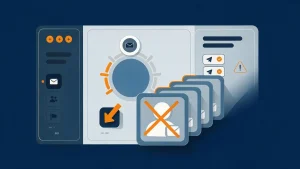
When the same person exists twice in a CRM — once from a gated content download and once from a webinar registration, for example — most marketing automation tools will email both records. That's not two engaged prospects; it's one person receiving the same campaign twice, which at best looks unprofessional and at worst reads as spam.
At list sizes in the tens of thousands, even a modest duplicate rate compounds into thousands of wasted sends per campaign — sends that count against ESP pricing tiers and skew every downstream metric calculated against total recipients.
Where Cost Bad CRM Data Hits Deliverability
Email service providers track engagement per domain and per sending reputation. Duplicate sends to the same inbox increase the odds of a spam complaint or an unsubscribe — recipients who get the same email twice are measurably more likely to flag it than recipients who get it once. Repeated complaints from the same domain, even a handful, can start affecting inbox placement for the entire list, not just the duplicated contacts.
This is one of the less obvious places cost bad CRM data shows up: not as a line item anyone budgets for, but as a slow decline in deliverability that makes every future campaign perform worse, for every recipient, not just the duplicated ones.
Skewed Metrics Marketing Ops Reports On
Open rate, click-through rate, and conversion rate are all calculated against a denominator — total sends or total unique recipients. When that denominator includes duplicate contacts, every rate calculated from it is distorted:
- Open rate looks artificially low if a duplicate never opens either copy, dragging down a metric that should reflect genuine engagement
- Click-through rate can double-count a single person's click if both duplicate records are tracked separately, overstating engagement from one real prospect
- List growth and churn reporting becomes unreliable when the same person is added, removed, or re-subscribed under two different records
None of this is visible from a campaign report alone. It only becomes clear when someone cross-references the recipient list against the CRM and finds contacts that should never have been counted as two people in the first place.
Why This Compounds Faster on the Marketing Side
Sales teams create duplicate contacts one at a time, through manual entry. Marketing lists grow through form fills, content downloads, event registrations, and list imports — several parallel entry points, often without a shared identity check between them. That means the cost bad CRM data creates for marketing tends to accumulate faster than it does on the sales side, even in CRMs where sales-side duplication is already under control.
How EazyMatch AI Cleans the List Before You Send
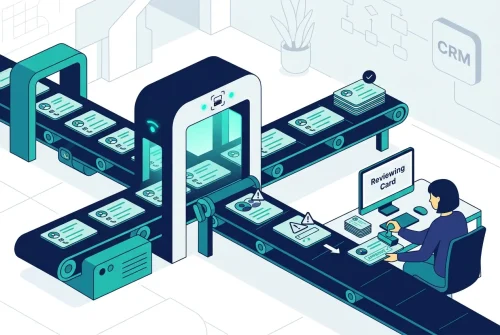
EazyMatch AI connects to HubSpot or Pipedrive and runs multi-field fuzzy matching across contacts — checking email address, similar name within the same company, partial name match, LinkedIn URL, and mobile number. That catches the pattern most common in marketing-sourced duplicates: the same person filling out two different forms with slightly different name spellings or a personal email on one and a work email on the other, which exact-match dedup tools never connect.
Beyond matching, EazyMatch AI flags incomplete contact records and scores overall data quality, so marketing ops can see how much of a list is duplicated or unreliable before the next campaign goes out, not after deliverability has already dropped.
Step 1: Connect your CRM
Step 2: Run checks across your contact database
Step 3: Review the queue, ranked by confidence
Step 4: Approve updates — nothing is automatic
Try EazyMatch AI free →
See how many duplicate contacts are sitting in your email list right now. No credit card required.
FAQ
Q: Can duplicate contacts really hurt email deliverability, not just look messy?
A: Yes. Repeated sends to the same inbox raise complaint and unsubscribe rates measurably, and inbox providers factor sender-level engagement into deliverability for the whole list, not just the affected contacts.
Q: How is this different from list hygiene tools that remove bounces and unsubscribes?
A: Bounce and unsubscribe cleanup handles invalid or opted-out addresses. It doesn't catch two valid, subscribed records that both belong to the same real person — that requires matching across name, email, and other identity signals, not just validating deliverability status.
Q: Where else does this cost show up beyond email marketing?
A: See the real cost of duplicate CRM records for the broader impact across sales and reporting, beyond the email-specific damage covered here.
Clean Contacts Are a Marketing Metric, Not Just a Sales One
The cost bad CRM data creates for email marketing is easy to miss because it doesn't show up as a single obvious number — it's distributed across deliverability, engagement metrics, and wasted sends. Fixing it at the contact level, before the next send, is a smaller job than recovering a damaged sender reputation after the fact.
Try EazyMatch AI free →
Get a clear data quality score before your next campaign.